ENDORIENCE / Publications
PUBLICATIONS
Selected thinking for consequential decisions.
Executive papers, recorded perspectives, frameworks and research on the decisions that shape premium physical environments — before implementation begins.
EDITORIAL POSITION
Few. Deep. Relevant. ENDORIENCE publishes when there is something worth adding — not to maintain a content cadence.
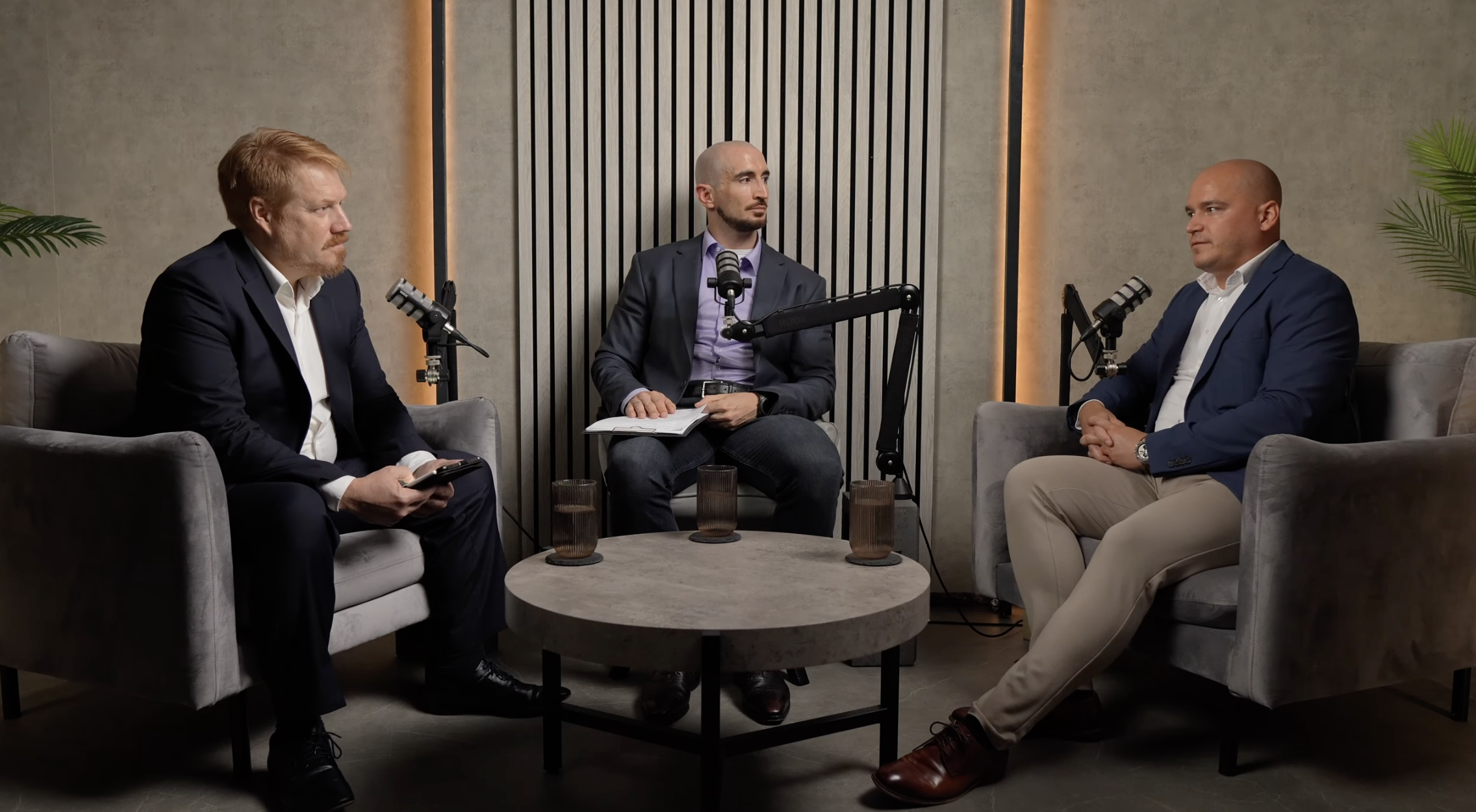
The Decision Space: Episode 3 - Designing How People Decide
Two people walk into the same room and make opposite decisions. The room is part of the reason. In the season finale, host Hans Petersen and Gergő Nidermayer are joined by Kevin Vermillion, who works in human performance and the science of how people decide. They move past how a space looks and into how the person inside it actually makes a decision: why personality, not mood, drives buying, why a room built for one kind of decider quietly alienates another, and why the future of premium design rests on real decision profiles rather than invented personas. It comes down to details as small as warm light and a warm surface, and it changes from Germany to the Middle East.
Executive papers & frameworks
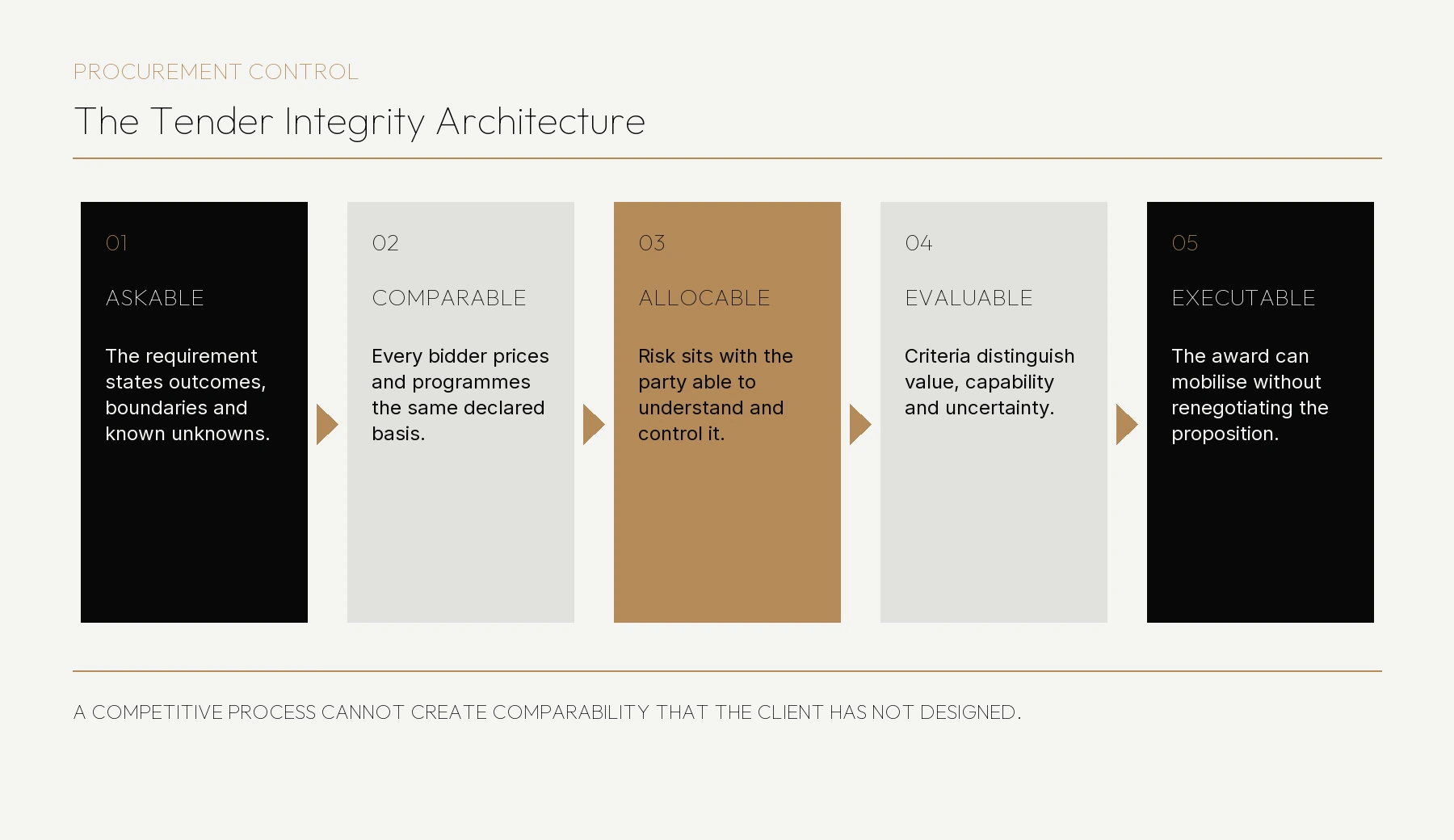
A Tender Can Only Compare What the Client Has Made Comparable
Tender competition creates value only after the client has created comparability across requirements, risk, evaluation and mobilisation.
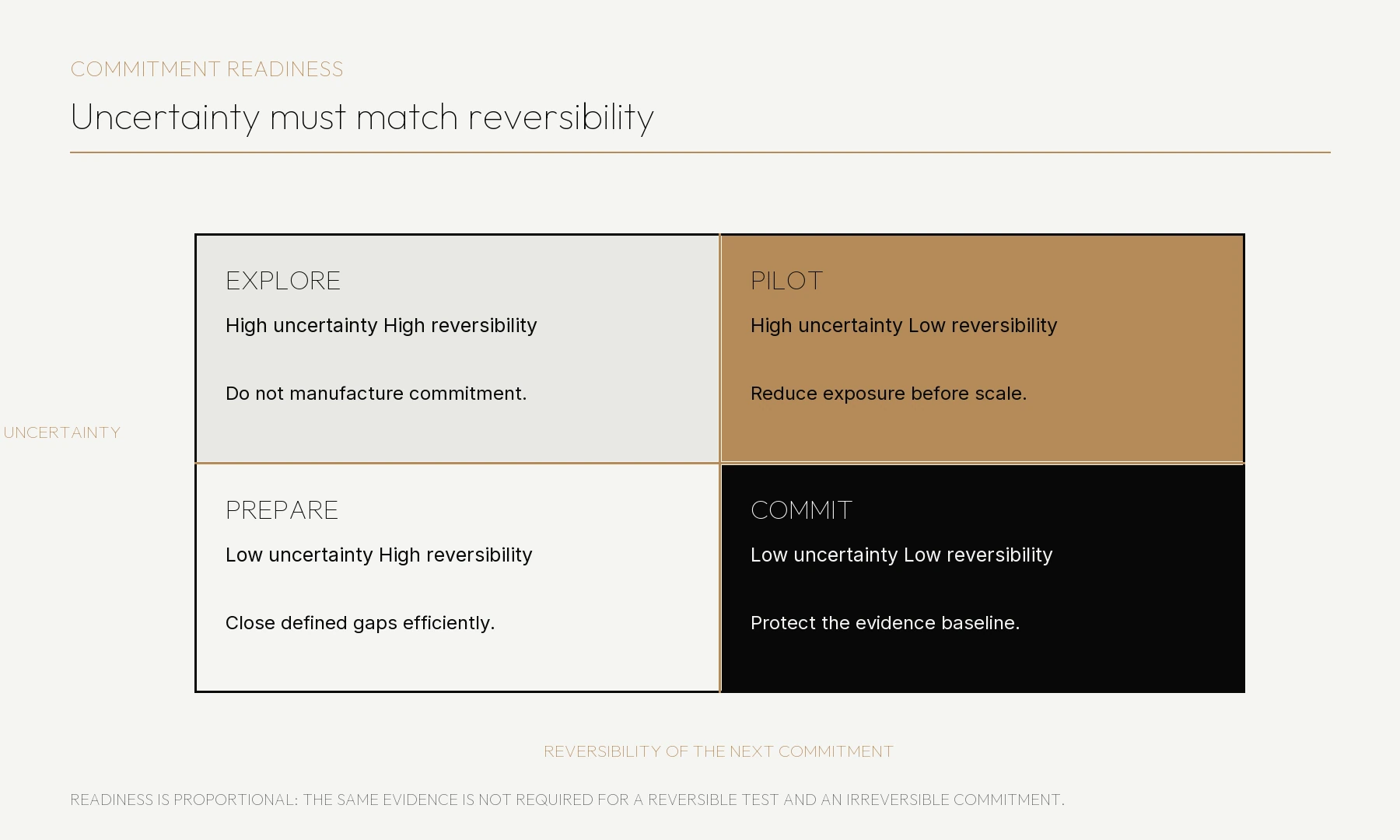
Make Uncertainty Governable Before Commitment
Decision readiness depends on whether the remaining uncertainty is visible, bounded, owned and proportionate to the next commitment.
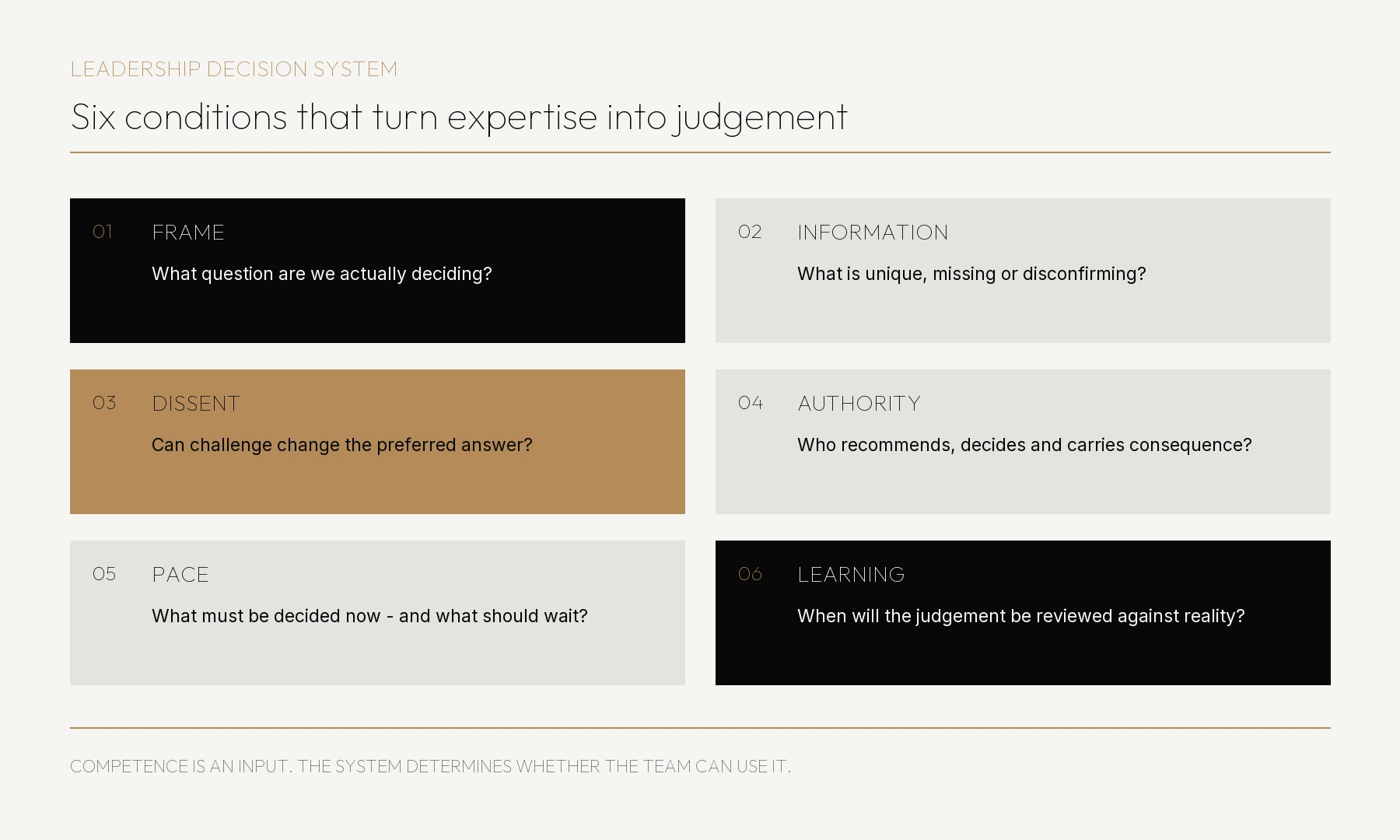
Why Capable Leadership Teams Still Make Weak Decisions
Decision quality depends on the system that determines what information enters, what challenge is legitimate and how reality can correct the judgement.
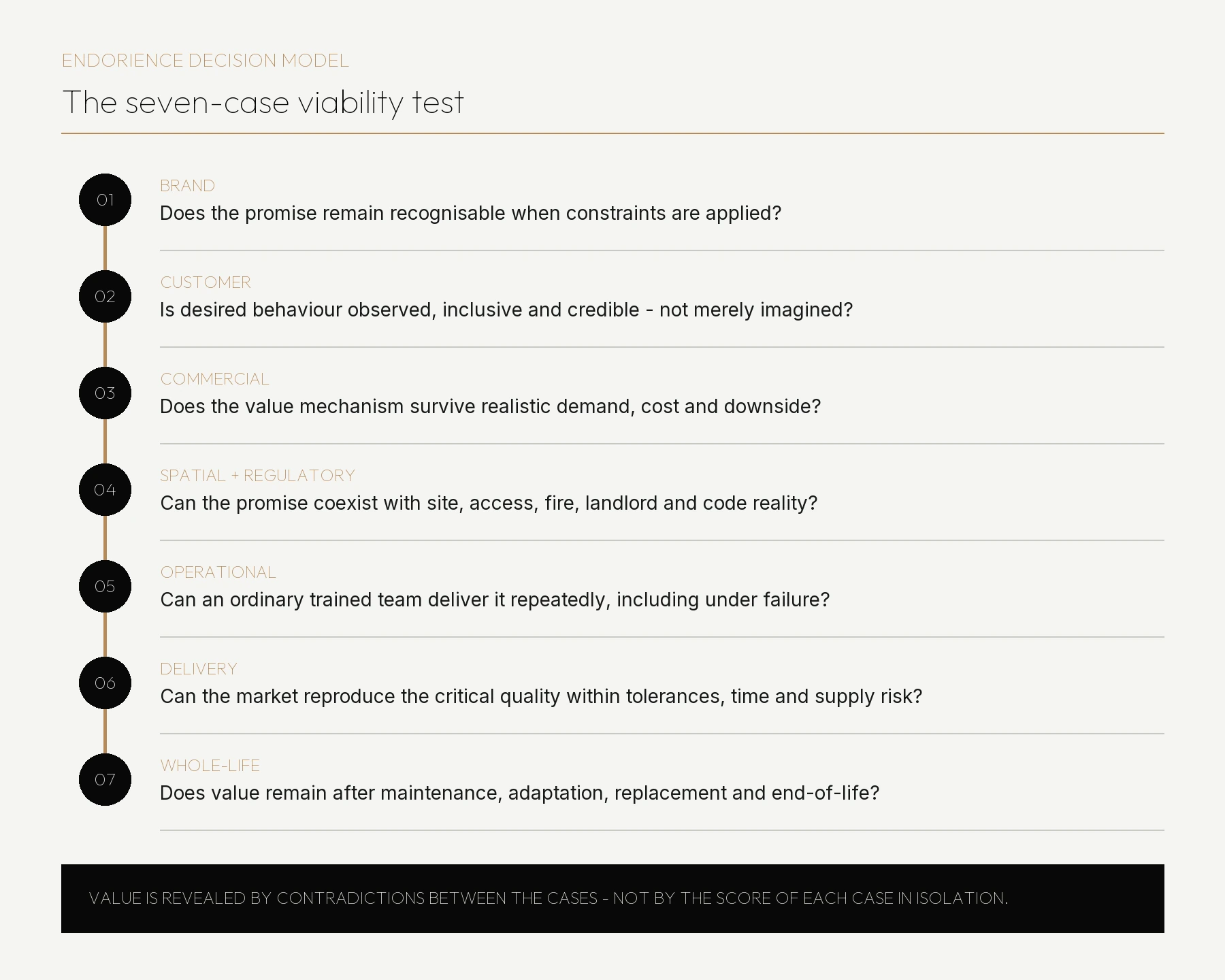
Beautiful Is Not a Business Case
Concept viability tests whether the brand promise survives customer, commercial, site, regulatory, operational, delivery and whole-life reality.
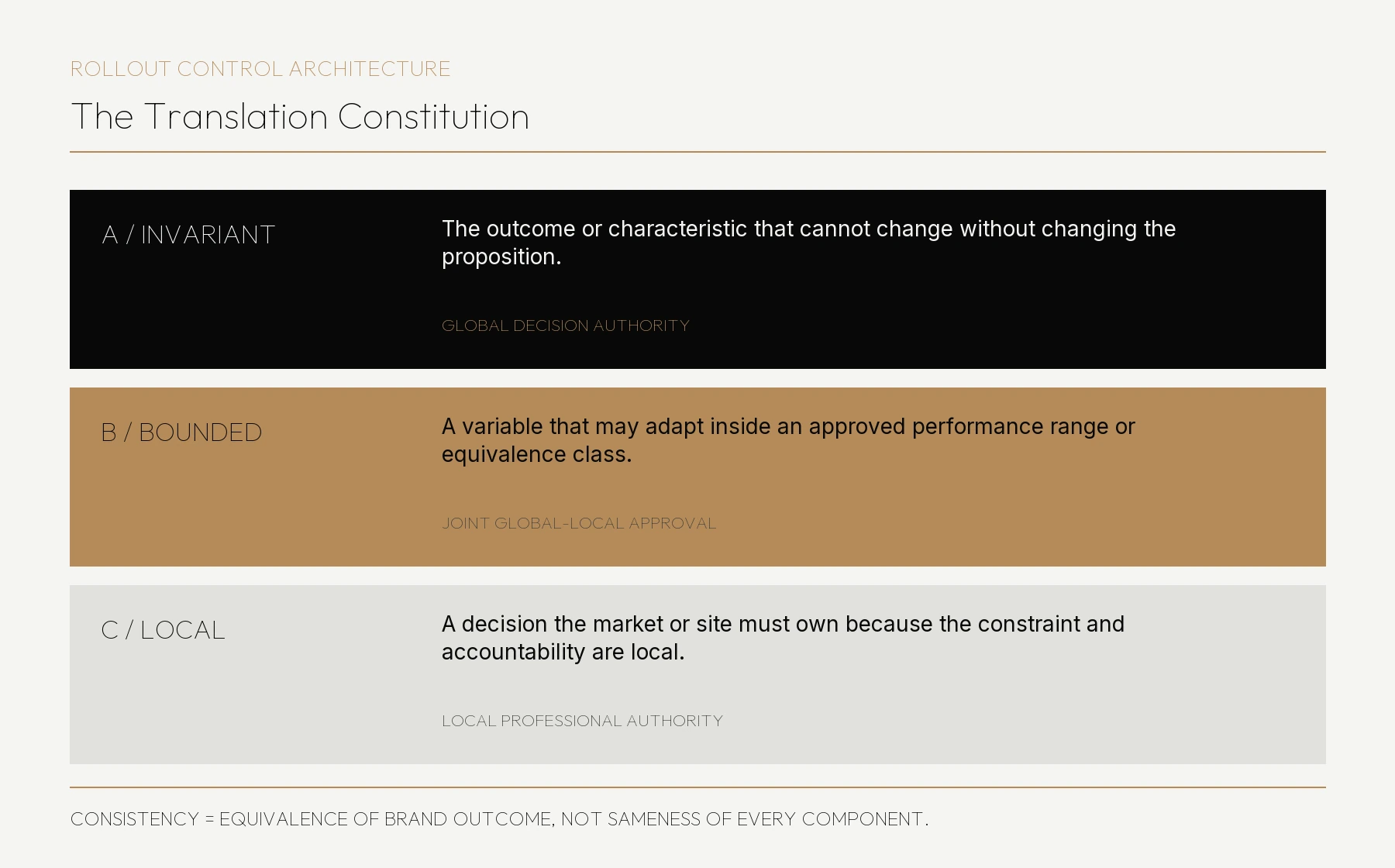
Same Brand, Different Reality
Global consistency comes from controlled equivalence: a stable brand promise expressed through solutions that respond to local reality.
Video & audio perspectives
The Decision Space: Episode 3 - Designing How People Decide
Two people walk into the same room and make opposite decisions. The room is part of the reason. In the season finale, host Hans Petersen and Gergő Nidermayer are joined by Kevin Vermillion, who works in human performance and the science of how people decide. They move past how a space looks and into how the person inside it actually makes a decision: why personality, not mood, drives buying, why a room built for one kind of decider quietly alienates another, and why the future of premium design rests on real decision profiles rather than invented personas. It comes down to details as small as warm light and a warm surface, and it changes from Germany to the Middle East.
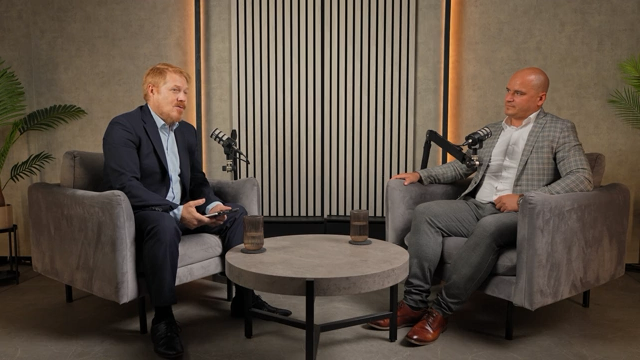
The Decision Space: Episode 2 - The Gap Where Value Dies
The most expensive part of a premium project is not the design or the build. It is the gap between them, and usually no one is managing it. Host Hans Petersen and Gergő Nidermayer go into the crack between a brilliant concept and the space that actually gets built. They explain why modern projects fragment across designers, manufacturers and installers in different parts of the world, why no single owner holds the whole, how the client ends up carrying a risk that was never their job, and what an independent layer that governs the entire project actually does. On a flagship, the cost of getting this wrong runs into the millions.
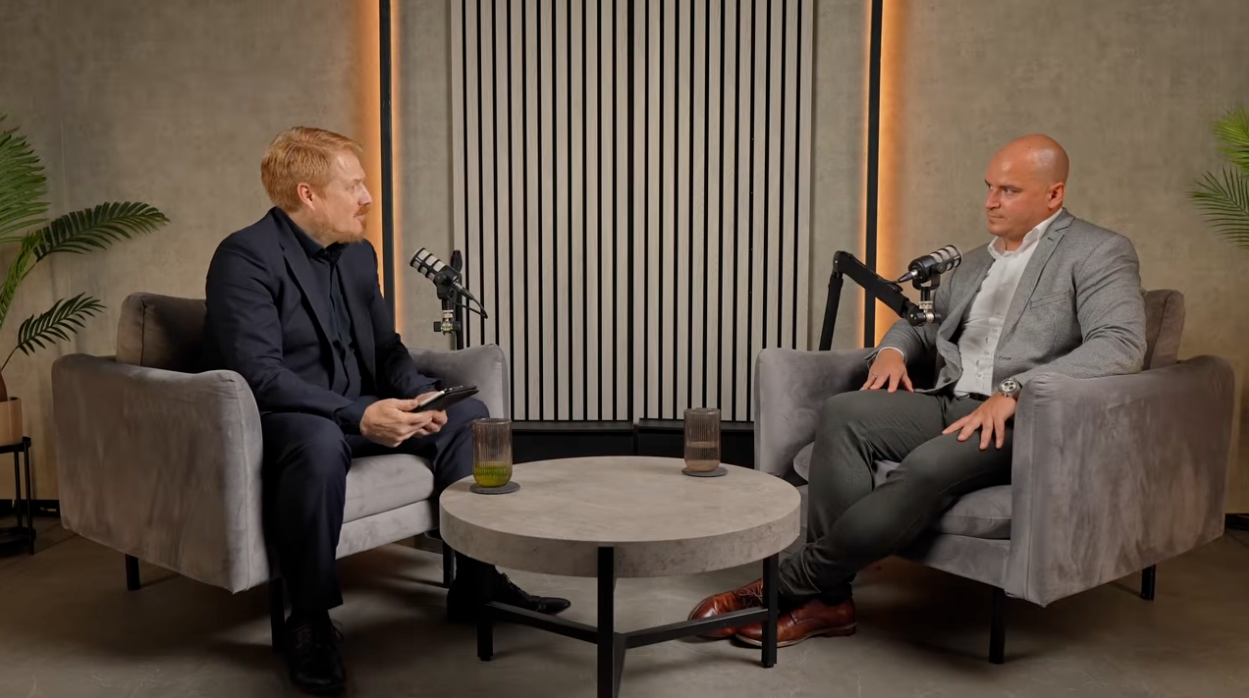
The Decision Space: Episode 1 - The End of the Neutral Space
A shop used to have one job: hold the product. That is over. There Are No More Neutral Spaces.
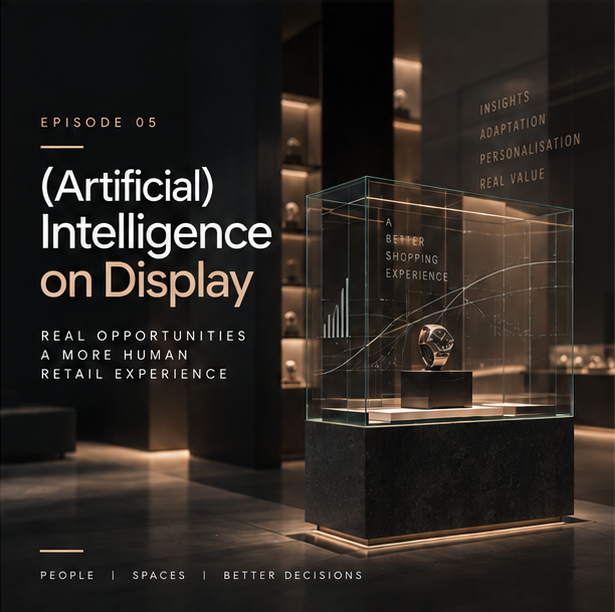
(Artificial) Intelligence on Display
In this episode of Endorience, Kevin and Gergő unpack the growing influence of artificial intelligence in retail. The conversation moves past the buzzwords to examine how AI is already reshaping both customer-facing experiences and behind-the-scenes design processes. From adaptive POS displays that respond to shopper behavior in real time to AI-assisted layout planning and generative design tools, Kevin and Gergő explore which innovations are delivering real value today, more than you might imagine. and which are more hype than help.
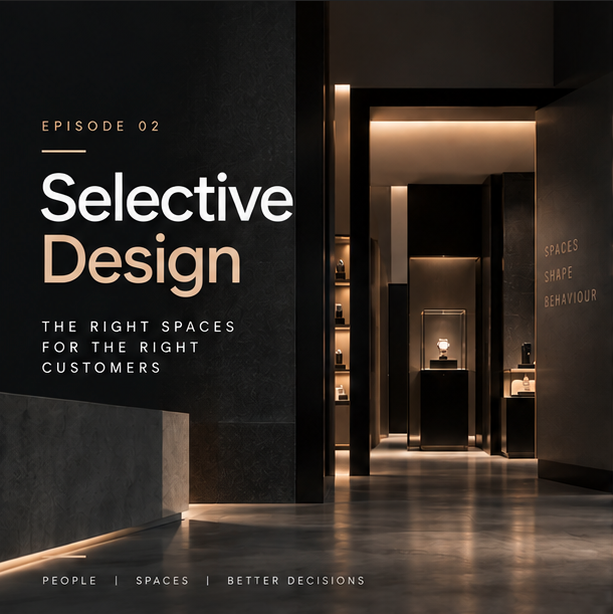
Selective Design—The Right Spaces for the Right Customers
Not all business spaces are designed to welcome everyone—some are strategically crafted to attract the right clientele while subtly discouraging others. In this episode, Kevin and Gergő dive into the growing trend of selective design, exploring how luxury brands, financial institutions, and high-end retailers use space, materials, and psychology to shape customer experiences and reinforce exclusivity.
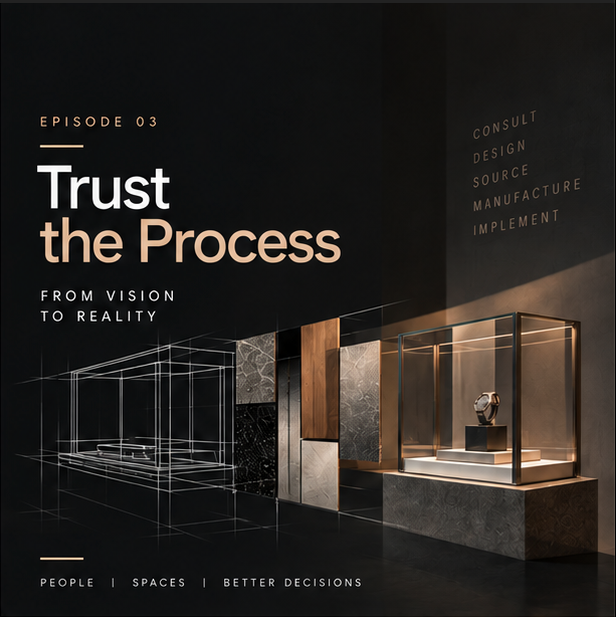
Trust the Process
This episode takes a client’s-eye view of the design and build journey. Kevin steps into the role of a luxury European watchmaker seeking a premium retail space and engages Gergő Nidermayer in a detailed conversation about how his firm approaches such projects. From initial consultations and understanding brand values, to design development, manufacturing, and logistics, the discussion sheds light on how customized environments are created in a competitive market. The episode closes with a real-world example that highlights the benefits, and trade-offs, of working with smaller, specialized firms.
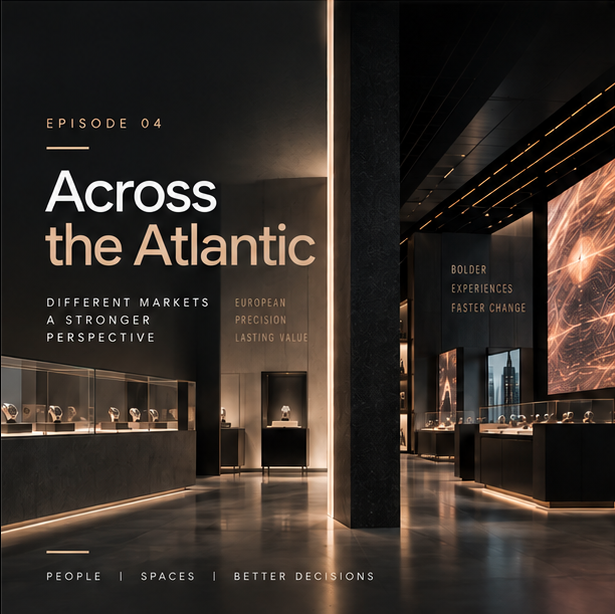
Across the Atlantic
In this episode of Endorience, host Kevin reconnects with Gergő Nidermayer fresh off his multi-city tour of the United States, where he attended top-tier retail conferences and visited leading store environments from coast to coast. The episode goes beyond surface-level design trends to explore the deeper mindset differences that shape how retail spaces are built and branded in the U.S. versus Europe. Gergő shares his insights on everything from American boldness in adopting retail tech, like interactive displays and data-driven POS systems, to surprising material trends and shifting attitudes toward sustainability. The conversation also touches on trade tensions, reshoring, and how geopolitics are influencing sourcing strategies in retail.
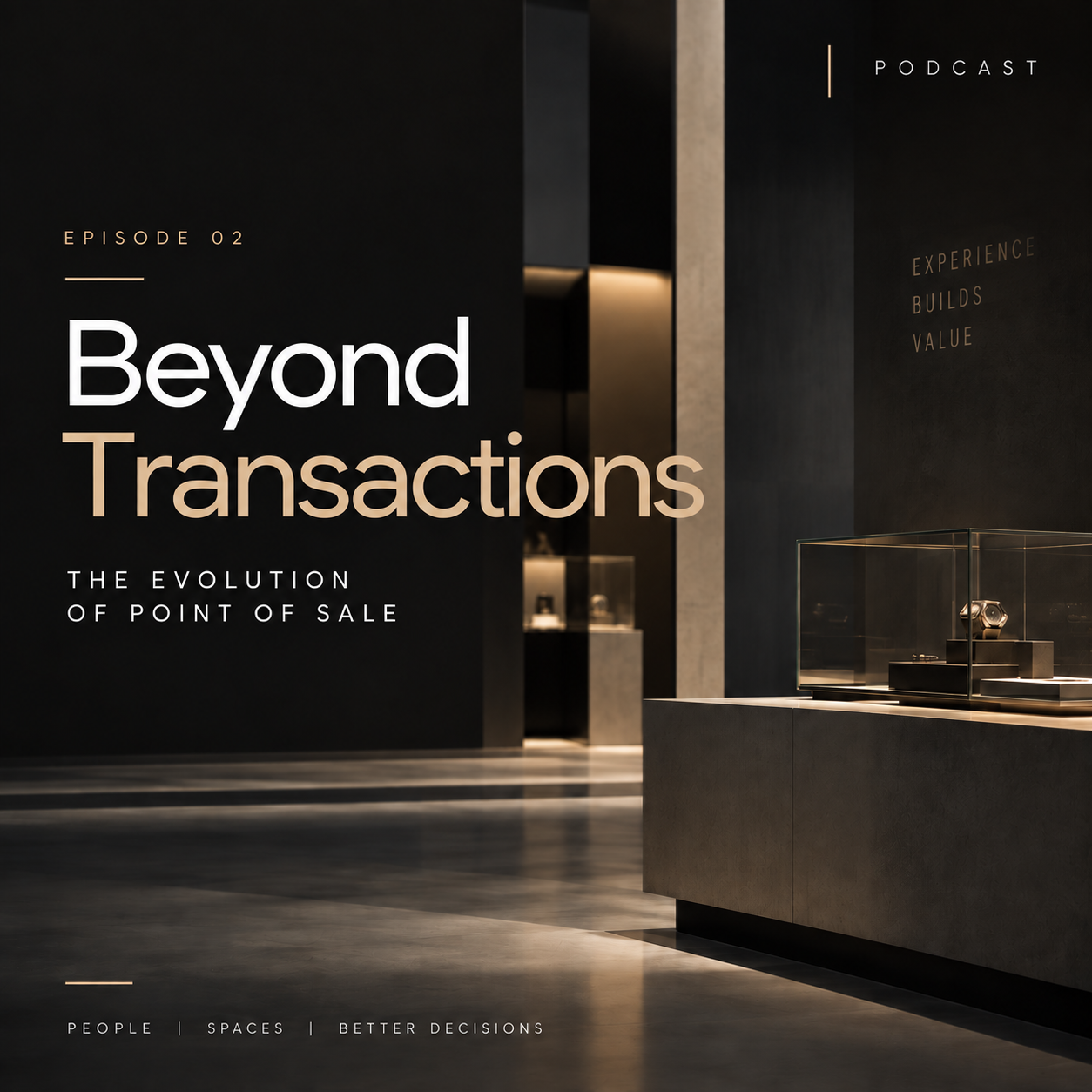
Beyond Transactions - The Evolution of Coin Of Sale
Point-of-sale (POS) is no longer just about transactions—it’s about creating immersive, experience-driven spaces that keep customers engaged. In this episode, host Kevin and guest Gergő Nidermayer explore how POS design has transformed in response to changing consumer behavior, the rise of e-commerce, and the growing demand for premium, tailored shopping experiences.